In the expert opinion, Martin Karlberg, who works at the Department of Education in Uppsala, found several inaccuracies, as reported by Sydsvenskan.
Among other things, the number of articles he had published and been the first author on had been overestimated. Nine out of ten articles in the list of cited articles were incorrect. Martin Karlberg suspected that AI was involved and contacted the dean.
“I don’t want the faculty board to decide that I should become a docent on incorrect grounds,” says Martin Karlberg.

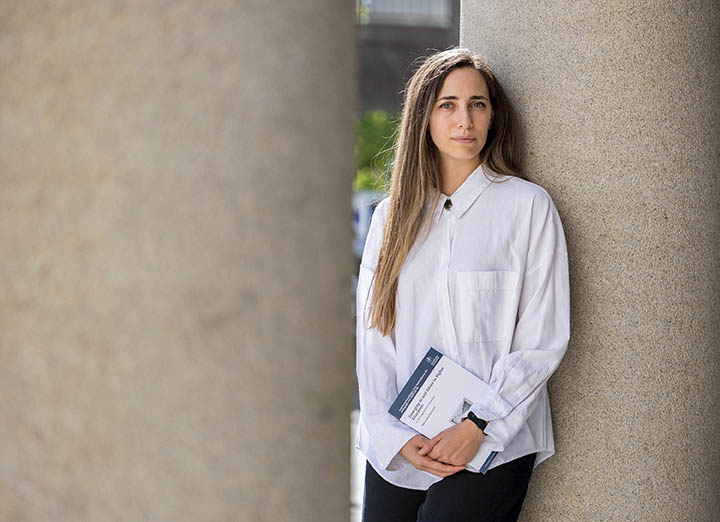
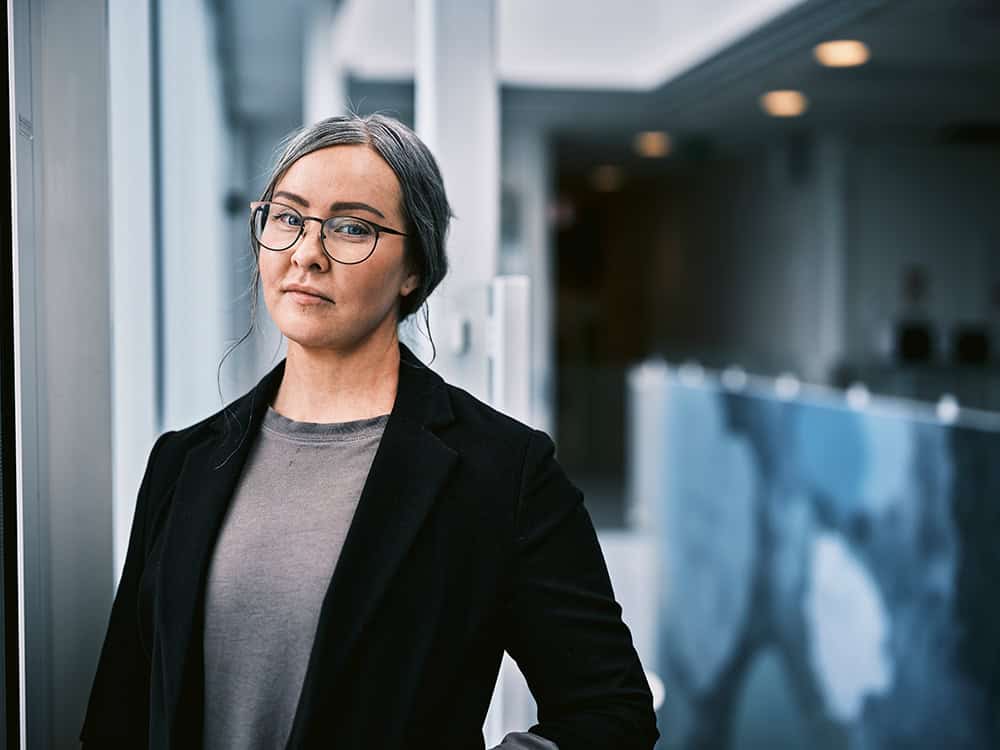
Martin Karlberg
Senior Lecturer, Uppsala University Photo: Mikael Wallerstedt
It turned out that AI indeed was involved. The professor who wrote the expert opinion states that they experimented with AI to compare it with their own work, and that the wrong appendix then had been included when it was submitted.
“The government has tasked the Swedish Research Council with encouraging researchers to make greater use of AI. We are being asked to look at what we can test and what that might look like. That is precisely what I am doing. It is very unfortunate that this appendix has been included, but it does not diminish my contribution,” says the professor.
After working on the assignment for several months, the report was to be shortened from ten to four pages while the professor was under considerable personal stress. That’s when the mistake was made, the professor states.
“I should have been much, much more careful in reading through it before I sent it, and I didn’t have the time. I really regret that, I failed there. But otherwise, I have carefully read and assessed all the material included in the assignment, and the appendix itself did not form any basis for the actual assessment or the formation of the expert opinion.”
When the professor was alerted to the inaccuracies, they were on assignment abroad and did not feel that they had the opportunity to check their notes, which were still at home.
“And then I didn’t want to do a bad job, I want to do a good job. I have tried to do that throughout my professional career.”
After sending a revised report a few weeks after the original, the professor chose to resign from the assignment and abstain from the fee.
Martin Karlberg reported the matter to the National Board for Assessment of Research Misconduct (Npof), which rejected it on the grounds that it did not concern research. Esbjörn Larsson, Dean at the Faculty of Educational Sciences, believes that incidents of this kind fall through the cracks.
“According to the existing regulations, there is no clear procedure for how to deal with this type of case.”
Both Esbjörn Larsson and Martin Karlberg state that the faculty board would not have discovered the inaccuracies if Martin Karlberg himself had not pointed them out.
“We don’t examine expert opinions that closely. In most cases, we don’t have the possibility to do so, which is why we have an external expert review process,” says Esbjörn Larsson.
Esbjörn Larsson gives further examples of occasions when expert opinions have been inadequate, which has also been difficult to deal with. The faculty board is now revising its guidelines for promotion and recruitment matters so that the rules for the use of AI are clear.
Martin Karlberg believes it would have been better for the professor if there had been a review body.
“I think for their sake, perhaps it would have been easier in some way to be open about what happened and then accept the consequences and move on. Now this will probably hang over them for years.”
The professor disagrees.
“If we had a body to examine this type of error that occurs in the course of work, we would have a body that examines all kinds of mistakes made when we send or write documents.”
The Swedish Higher Education Authority (UKÄ) is responsible for supervising universities and colleges. In an email, they refer to the fact that the Parliamentary Ombudsmen (JO) are responsible for supervising individual civil servants at government agencies and that Npof is responsible for cases involving deviations from good research practice. UKÄ does not wish to comment on a possible change in supervisory responsibility.
The professor is working as usual and has just received internal research funding from Lund University. In Martin Karlberg’s case, a new external expert was appointed who also took a positive view of Martin Karlberg’s docentship, which will be decided on at the faculty board meeting on 5 February.