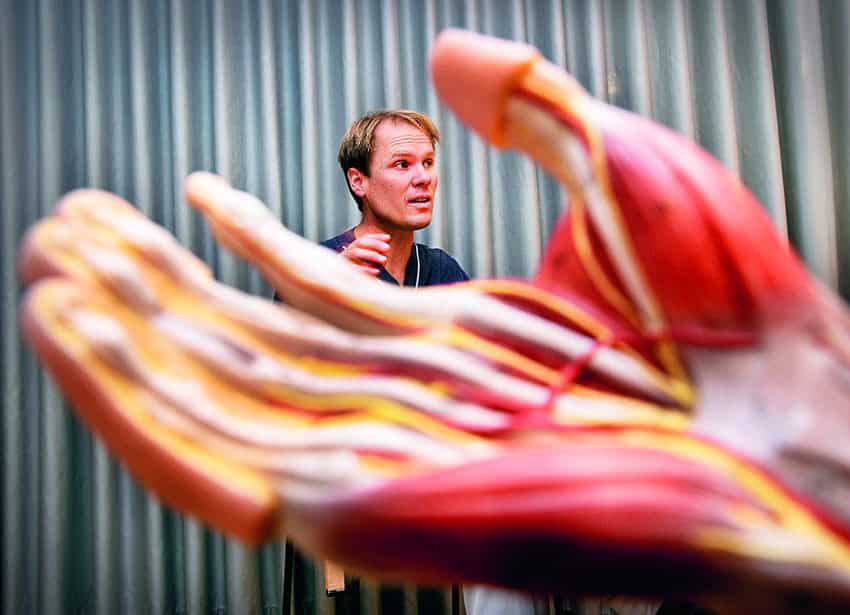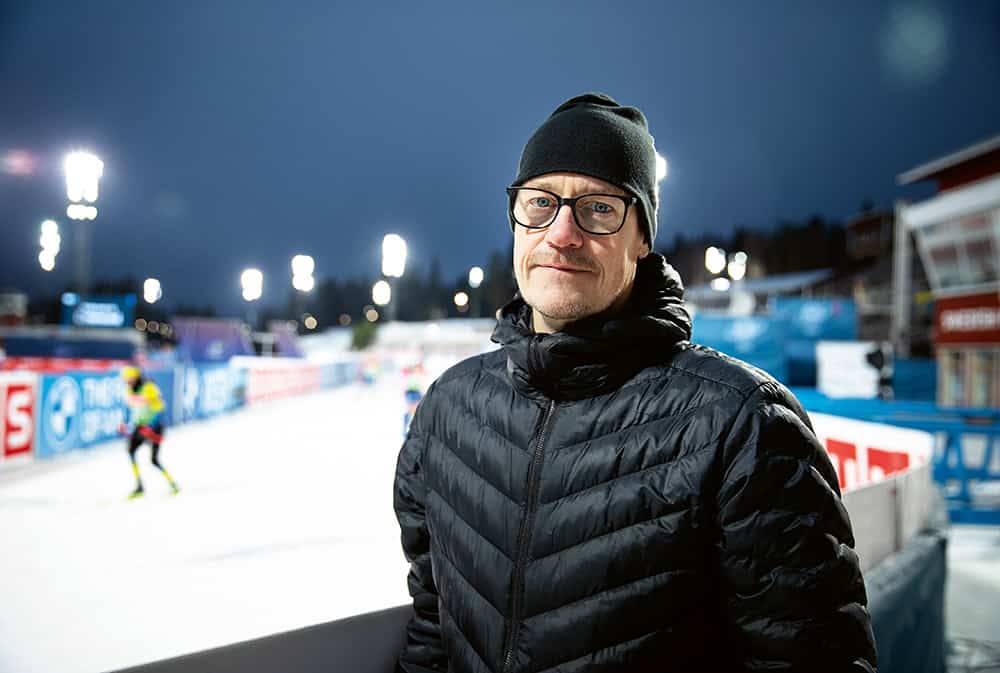
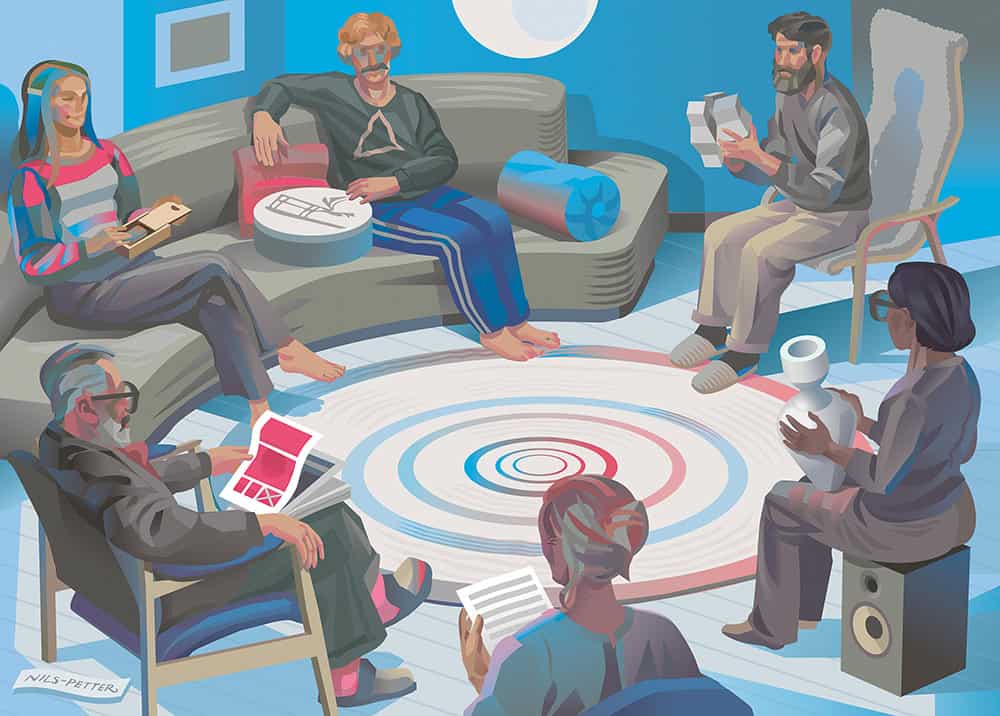
Every Thursday evening for five weeks, Rolf Lidskog, a professor of sociology at Örebro University, has been meeting participants in a study circle called ‘Learning to consume less – together.’ He researches environmental sociology, environmental regulation and risk communication, so the theme of the study circle is closely related to his research, but the contrasts with everyday life at the university have nevertheless been considerable.
“There can be several hundred students on undergraduate programmes, so the situation is of course completely different. I have enjoyed the opportunity to create situations for shared learning in a small group.”
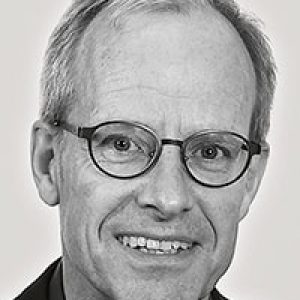
Rolf Lidskog,
Professor of sociology at Örebro University
A total of 19 people took part in the study circle, including himself. Among other things, they have written a consumption diary and reflected on their purchasing impulses. The circle was organised by the study association Bilda, but the material was developed as part of a research project at Örebro University and is free for anyone to use.
The material was written by researcher Linn Rabe, as part of the research project ‘(Un)sustainable lifestyles: social (in)opportunities to consume less’, led by Magnus Boström. The project has shown that it can be difficult to reduce consumption individually, because consumption is intertwined with our social relationships. For example, is it okay to decline an invitation to your father’s 60th birthday trip to Tenerife because you do not want to fly? Can you buy a birthday present for a children’s party from a second-hand store?
“Our interview study shows that people have a huge need to talk to others about these issues,” says Rabe, “but it also shows that many people do not know how. So it felt like a good idea to create material for a study circle.”
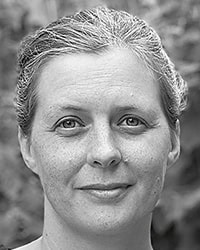
Linn Rabe
Researcher at the Swedish Defence Research Agency, FOI
When putting together material for a study circle based on research, she thinks that you should think about what aspects of the research are most relevant to people in their everyday lives. “It is not necessarily the development of theory that should be at the core of the study circle.”
During her career, she has moved between the academic world and the non-profit sector. She has produced various types of study material, but she has never designed material for a study circle before. She says she had some doubts about how the study circle would be received.
“I thought that perhaps study circles were a bit old-fashioned. Study associations are receiving less and less funding and folk high school are being closed down. At the same time, there is a desire among people for democratic dialogue, and the study circle format is a great fit for that.”
Rabe no longer works at Örebro University, and she is now doing research at the Swedish Defence Research Agency, FOI. She believes that there are many research projects that could provide inspiration for exciting study circles, and mentions crisis preparedness as an example.
“I think there is both a need and a desire for practical and social learning. I also believe that it can be quite therapeutic in general for people to meet and learn together. It could probably fulfil many different needs in these days of several parallel crises.”
The study circle ‘Learning to consume less – together’ is aimed at the general public, and participants attend in their free time. But a study circle can also bring together participants based on their professional roles. This is the case with the study circles organised by SFUB, (the Society for the Promotion of Adult Education), together with the Teachers’ Foundation, (Lärarstiftelsen). Their ’research circles’ are aimed at professionally active teachers, who are given opportunities to learn more about research and try out new working methods together with researchers and students.
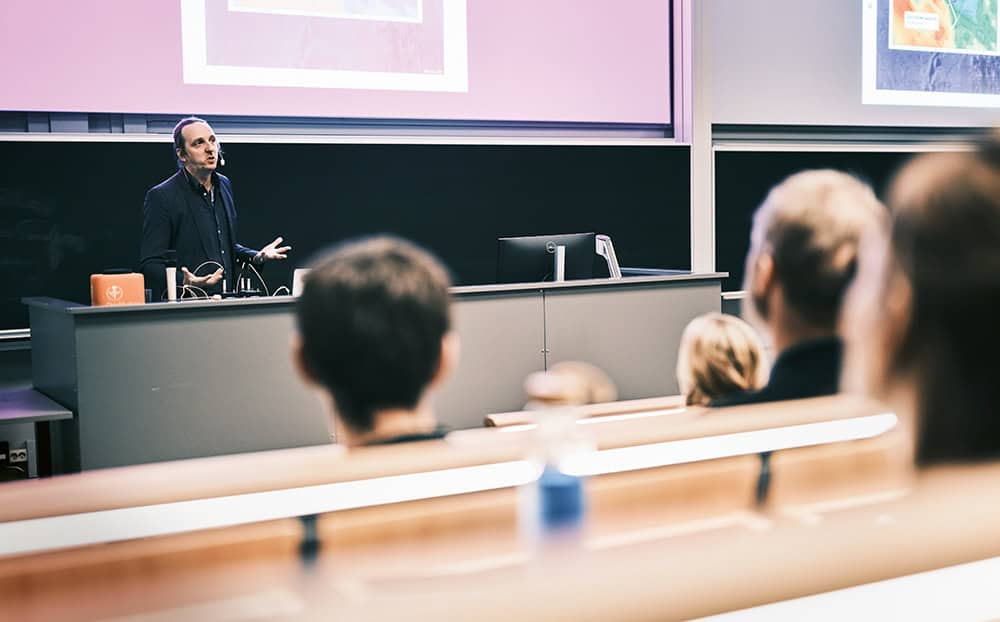
Astrid Pettersson, professor emeritus at Stockholm University, leads a research circle for teachers who want to become better at involving their students in their own assessments. “For example, if students are allowed to mark their own tests based on assessment criteria and then compare their assessment with the teacher’s, it can help them see differences and how they can improve their performance,” she says.
She has enjoyed a long career in research and sees the research circle as an opportunity to create real change regarding one of her most important research subjects – assessment. Participants meet regularly over the course of a year, both in-person and digitally. Between meetings, teachers try out different assessment methods with their students.
“One difference compared with teaching on teacher training programmes is that these teachers bring with them a lot of their own experience that they can share with the rest of the group,” she explains.
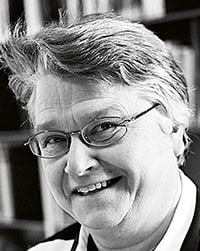
Astrid Pettersson
Professor emeritus at Stockholm University
For a research circle to be successful, she believes it is important to create an open climate, so that participants dare to try out different thoughts and ideas. She thinks that the format enables in-depth learning.
“A lecture can easily be like a sparkler. When it is over, life goes on as before. I think a research circle leads to more lasting change.”
The teachers who participate in the research circles at SFUB and the Teachers’ Foundation do so during their working time, and Pettersson is paid for leading hers. In addition to running the meetings, she has also designed the structure of her study circle, in dialogue with the staff at SFUB.
Depending on the scope of the assignment as study circle leader, university employees may need to discuss any such commitment with their employer. If it is regarded as a side activity, it needs to be approved.
Rolf Lidskog sees his role as circle leader as a public engagement activity, part of the university’s third stream obligations. “The public engagement aspect has always been very important to me. I believe that we researchers have a huge responsibility to share what we learn.”
During his evenings with the study circle, he has been struck by how unusual it is for people who do not know each other to meet in calm discussion. He sees a stark contrast with the polarisation that characterises the tone of dialogue in society, not least on social media.
“Everyone just argues with each other and tries to justify their own position, but in our study circle it is perfectly acceptable to show that you do not have all the answers.”
How to succeed with study circles
Börje:
Linn Rabe’s, Rolf Lidskog’s and Astrid Pettersson’s top tips:
- Work with practical exercises and everyday matters to help participants reflect and share their experiences.
- The circle leader should move the conversation forward by listening and asking questions, rather than lecturing.
- An open, permissive climate is essential, so that participants feel safe to try out ideas that have not been fully thought through.
- Breaks for coffee and small talk give participants the chance to get to know each other and develop a togetherness in the group.