Last year, a university teacher was made redundant from the teacher training programme at Kristianstad University. Now, the union and employer are in negotiations about further redundancies. This involves five positions in teacher training and ten operational support positions, says Viktoria Näsvall, the university’s Deputy HR Manager.
“The next step is to work on dividing people into order of priority groups and determining the order of priority within those,” she continues.
“We will now sit down with the managers and look at work tasks, study them in depth and calculate how long the individual employees have been employed in the state sector. Then comes the next round of negotiations, which is planned for February.”
The reason for the redundancy notices in teacher training is declining student numbers. When it comes to the positions in operational support, that is a consequence of Kristianstad University’s general financial situation, she explains.
This was also the explanation presented to Gloria Håkansson, chair of the local Saco-S association in Kristianstad.
“We agree with the employer that there are too few students for the number of teachers employed. But it is not clear how these work tasks and hours will be reduced,” she tells Universitetsläraren.
The mood among employees is anxious, she says.
“The strange thing is, and this is something that we also disagree about, that the employer has already said at this early stage which positions are affected. At the beginning of the process, they have already talked about in which subjects there is a shortage of work. And also, that the shortage of work applies the position of lecturer. Obviously, that is very unusual and has caused great concern among those employees.”
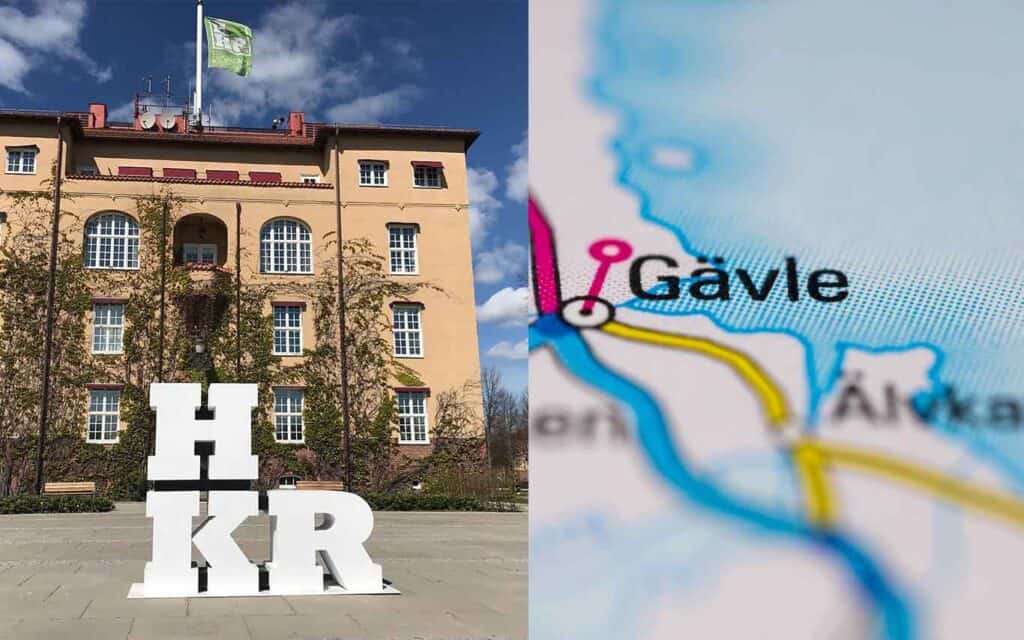
The University of Gävle has also announced redundancies, affecting seven people working with the public health science programme, a subject that is being discontinued.
“A redeployment assessment is currently being carried out, and obviously no one wants us to have to make anyone redundant in the end,” says Eva-Britt Jämtnäs, an HR specialist.
The public health science programme is being discontinued because the university needs to reduce the number of freestanding courses in favour of programme courses, explains Niklas Rothpfeffer, chair of the local Saco-S and SULF associations in Gävle.
As the process is still at an early stage, he does not want to speculate on how many people will ultimately lose their jobs. The timeframe for the process is also difficult to predict, he says.
“But we hope that they will not drag it out too much. At the same time, we do not want it to be rushed.”